Wednesday, August 29, 2018

Sudbury

The Big Nickel, symbol of Sudbury
The city of Sudbury sits on one of the largest deposits of nickel in the world. But the extraction of this mineral, essential for manufacturing stainless steel products, has left a terrible stain on the landscape for miles around.

By the 1970s, years of unabated pollution had left the area devoid of tree cover. Nothing could grow on the rocky hills until the citizens and the mining companies changed course and started working together to heal their earth, air and water.


Lake Laurentian Conservation Area

Today the land is looking better. Scrubbers were installed on smokestacks to limit the sulphur emissions. Whole patches of forest soil were transplanted and millions of trees were planted. There are now miles of trails to explore.

Gail and the Fin whale at Science North

Gail and I spent two delightful days in Sudbury visiting Science North and Dynamic Earth, where I went underground to see how miners work today and in days gone by. Fascinating!


A simulated dynamite explosion shook things up on my underground mine tour

Thursday, August 9, 2018

Cecropia Silkmoth Caterpillar

Almost 4 inches long, this bizarre-looking caterpillar will emerge from its cocoon next year as North America's largest moth - the beautiful cecropia silkmoth  Hyalophora cecropia
.

Add caption
 Thanks to my sister Karen for finding this beauty on the banks of the Speed river in Guelph.


Perhaps I'll be able to add a photo of the moth when it emerges next spring!

Tuesday, June 12, 2018

A Master's Degree

Congratulations to the family's first holder of a master's degree -Trevor Bell!
A well-deserved degree

Concordia University's Convocation at Place des Arts in Montreal

Danielle, Ellen and I with Master Trevor Bell

Monday, May 21, 2018

The Marvelous Month of May

With the cold days of April behind us, the sudden appearance of spring seems particularly intense this year. From the flowering trees above to the bulbs bursting from the earth below, it's all happening in short succession. So get out there before the show is over!

Here are a few of my favourite photos from this month so far...
(Click on a pic to enlarge)

Baltimore oriole at Point Pelee

Great-horned owls at the Ottawa Arboretum

Magnolia warbler at Point Pelee

Eastern tailed blue

Blackburnian warbler at Rideau Hall

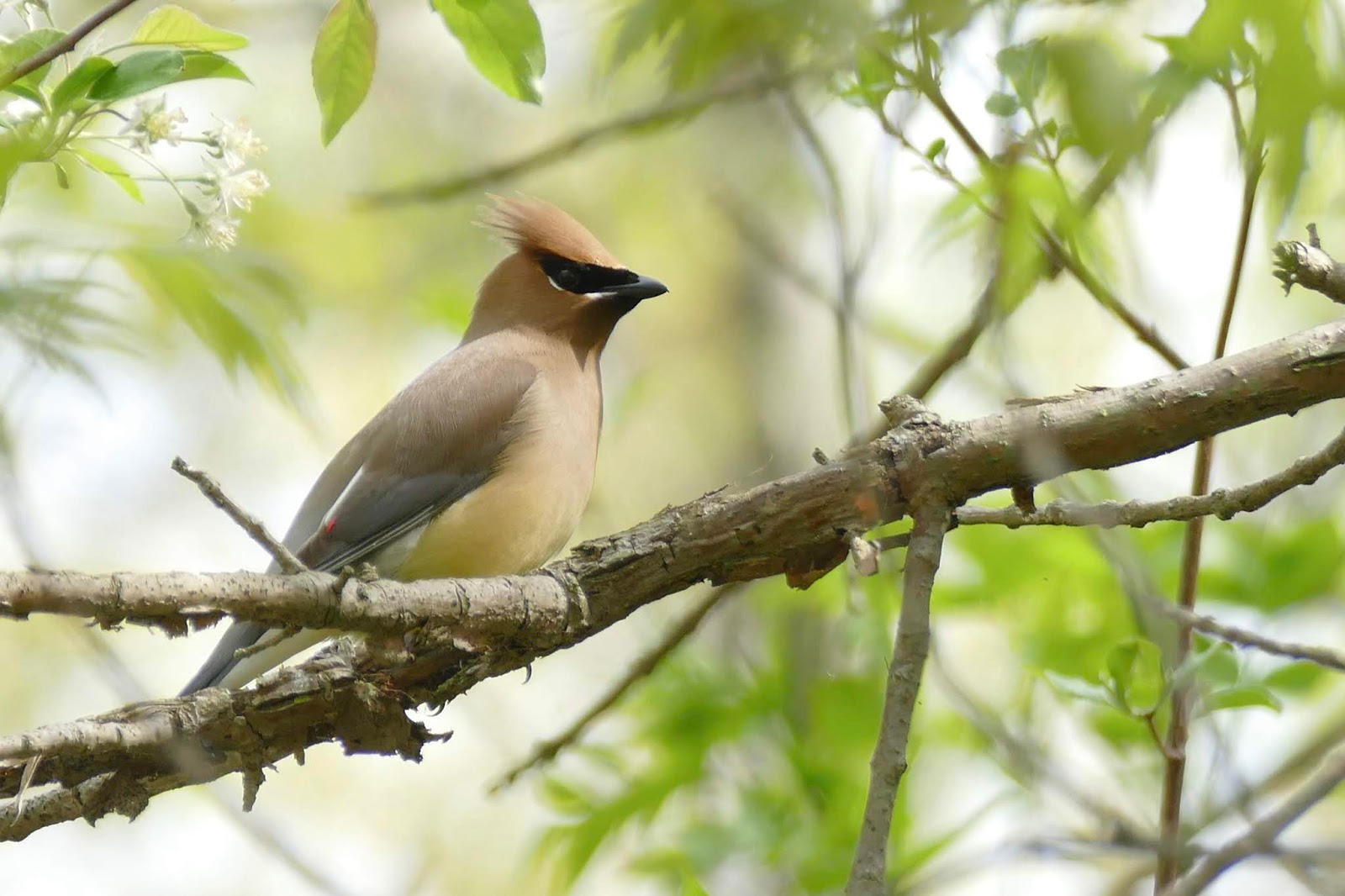
Cedar waxwing at Hillman Marsh

Eastern red-backed salamander

Large-flowered trilliums

Avid nature photographer

Wood ducks

Tulip festival in Ottawa

Eastern meadow rue (male)

Thursday, March 29, 2018

Photography in the Natural World

A big turnout for the open reception on March 23rd
Focusing on Nature: Photography in the Natural World is a new exhibit at the Guelph Civic Museum for which I am the guest curator. The show features 80 of the best student nature photographs taken at Focus on Nature workshops and camps in Guelph and Wellington County in 2017, plus displays of cameras and other photographic artifacts related to the themes of children, nature and photography. The show runs to June 10th, 2018 on the third floor of the museum.

There are so many great images in this exhibit. Here are a few of my favourites...
by Emily

by Boaz

by Cody

by Ian

by Abbey

by Mackenzie


Wednesday, January 31, 2018

Arequipa

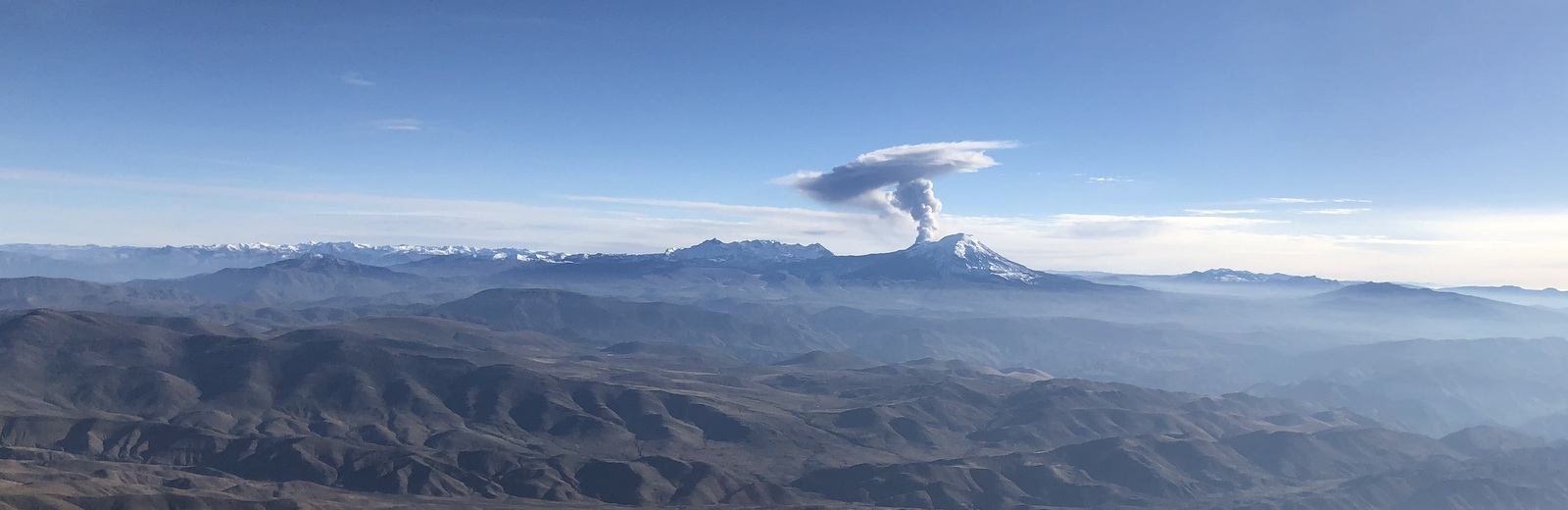
View from the airplane window: the volcanoes around Arequipa are still active
Arequipa, surrounded by volcanoes in southern Peru, has been my favourite city to visit during our month-long journey here. It is situated at a comfortable altitude (7,638 ft) so the temperature is a pleasant 19°C as a write.
The cathedral on the main square
The historic centre of town has a relaxed atmosphere with fewer tourists and touts than Cusco. The Plaza de Armas (main square) is surrounded by colonnaded buildings and no traffic! Traffic can be chaotic in Peruvian cities, so the absence of cars was a nice surprise.
An inner courtyard of the Santa Catalina convent
We visited a number of the old colonial buildings including the Santa Catalina Convent which is a walled off city within a city, with streets, homes and courtyards to wander through. Very peaceful.
Chasing pigeons in the Plaza de Armas
So if you are planning a trip to Peru, make sure Arequipa is on your itinerary!
Exterior of a church dated 1698

Monday, January 29, 2018

El Condor Pasa

Andean condors (Vultur gryphus) are the largest flying land birds in the world. I have seen them before in Argentina but here, in the Colca Valley, you can get a close-up view of these magnificent birds as they rise on the morning thermals.

Condors can live for 50 years or more but their numbers are declining in much of their range.


Mature males (left) sport white wing-tips and a white collar, as well as a dark red comb on their heads.


I could have watched them longer but within an hour they had all disappeared into the the canyon on their search for animal carcasses to consume.


Sunday, January 28, 2018

Clay Licks

Red and green macaws gather to eat cay
One of the best places to observe macaws, parrots and parrokeets is at clay licks. These are exposed banks of earth in the forest where the birds gather to eat clay which helps neutralize toxins in their diet.
One orange-cheeked parrot with a mixed flock of mealy parrots and blue-headed parrots
Being social creatures, the birds like to spend time hanging out squawking together in the trees before descending to eat clay.
A scarlet macaw comes in to land. The primary feathers are red on one side and blue on the other!
The flock takes flight at the signal of a sentinel macaw keeping watch from above
The macaws are very skittish about descending to the clay lick from the trees as they are the vulnerable to predation by cats. Even large birds soaring overhead will instantly send them flying.

Once these beautiful birds have had their fill of clay, they disperse to their individual territories. It was a real privilege to see them gathered together for the morning and a highlight of our journey through the Amazon basin.

Friday, January 26, 2018

Madre de Dios: the wildlife

This area of the Amazon basin, one of the most biologically diverse places on Earth, is under major threat from our need for its resources: logging, mining, ranching - even tourism - are all taking their toll.

A three-toed sloth and her baby


While the forests ar rich in wildlife, most species are quite secretive and few and far between. So sufficient time and a knowledgeable guide are needed to see some of the extraordinary creatures that live here.

On this journey we were fortunate to see 109 types of birds, nine mammals and dozens of bugs and butterflies.


A black cayman lurking in the lagoon
A tapir wandered into our camp one morning looking for handouts
A red howler monkey was not happy to see us
A hoatzin spreads its wings

Wednesday, January 24, 2018

Madre de Dios: the people

After our descent down the mountain road, we prepared to board a boat at Atalaya on the Madre de Dios River, a major tributary of the Amazon.
Peter, supplies and our boat


Our boat was well equipped with life-jackets and an extra  motor.  Supplies were were loaded for our four day expedition. Besides hiking in the jungle, this was to be our principle means of travel for this portion of our journey.
Among other things, a sign at the dock warned travelers not to point cameras at uncontacted tribes that live in this area: they might be considered to be weapons.

Vigner, our guide, said that we would not likely encounter them as they live deeper in the jungle than we will be going but a park ranger had received an arrow in the back a couple of years ago!

The villagers we met along the river, including our boat drivers, were from local tribes that had adapted to modern life.

Below are a few portraits of these kind people we met along the way.